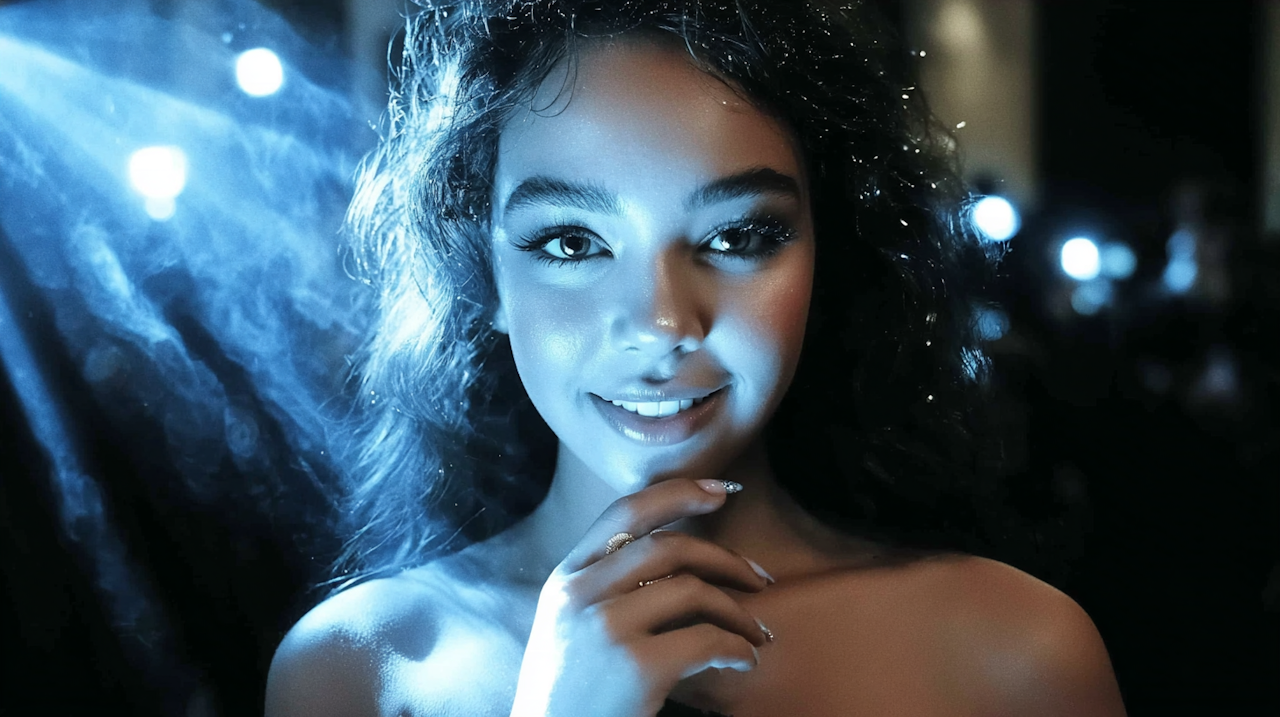

In a development that nods to Hollywood’s past while confronting its future, controversy has engulfed Tilly Norwood — the AI‑generated “actress” — after criticism from SAG‑AFTRA. Echoing the sci‑fi premise of S1m0ne, the debate now probes where emerging AI tools intersect with traditional craft, and what that means for performers and producers alike.
Why you should care
The arrival of an AI‑generated character such as Tilly Norwood is being cast by some as a watershed for the entertainment business. It forces a reckoning over whether creative ventures can — or should — simulate the nuance of human performance. SAG‑AFTRA’s pushback spotlights labour rights, intellectual property, and the ethics of deploying synthetic performers, underscoring the wider challenge of marrying technological progress with human‑centred creativity.
By the numbers
Tilly Norwood was created by Eline Van der Velden at Particle 6 Productions and debuted in a comedy sketch titled AI Commissioner. The character has been likened to a futuristic counterpart to iconic actresses such as Scarlett Johansson and Natalie Portman, and has stirred debate. According to IGN, SAG‑AFTRA issued a statement criticising the deployment of synthetic performers without proper notice, attribution, or contractual safeguards. The outlet also reports that high‑profile industry figures, including Melissa Barrera and Mara Wilson, voiced disapproval, arguing that reliance on AI in performance risks devaluing human artistry.
Inside the bid
According to Deadline, some talent agents have shown interest in Tilly Norwood, with industry speculation hinting at potential contracts. Even so, the legal architecture around synthetic performers remains hazy, particularly on intellectual property and contractual rights. SAG‑AFTRA has stated that any use of AI‑generated talent must comply with clear, human‑centric contractual obligations designed to safeguard actors’ livelihoods.
Market structure
Regulators and creative unions are scrutinising the rapid rise of synthetic talent in the sector. The introduction of AI‑generated characters like Tilly Norwood complicates existing labour law and intellectual property regimes, prompting calls in some quarters for tighter rules. According to reports highlighted by The Hollywood Reporter, there is concern that, without oversight, growing use of digital counterparts could marginalise traditional actors, reinforcing the perceived need for updated standards that recognise human contribution.
What it really means
Opinion is split on whether Tilly Norwood marks a strategic milestone or a publicity gambit. Eline Van der Velden, the creator, says the AI actress is intended as an innovative tool — akin to CGI or animation — not a replacement for human emotion and skill. Still, critics counter that such efforts risk trivialising the singular qualities of human performance and commoditising artistic expression. Social media heat has amplified the argument, further blurring the line between creative experimentation and potential exploitation.
Signals to watch
As the conversation builds, the Tilly Norwood saga could shape forthcoming contract frameworks for synthetic performers. Industry watchers suggest that tighter rules and revised agreements may emerge to delineate the roles of AI and human talent on screen. The debate runs beyond regulation, challenging parts of the artistic community to balance the pull of new technologies with the protection of established craft.