
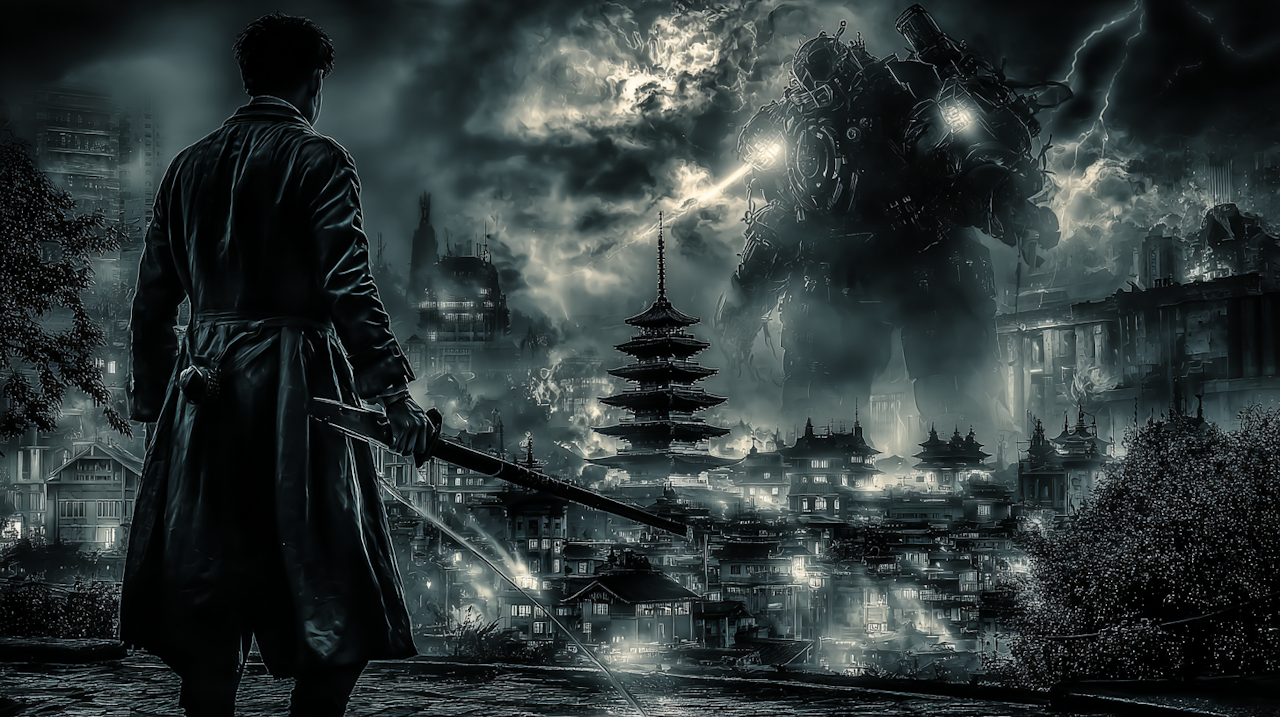

As watercolor worlds meet cold compute, Studio Ghibli and fellow publishers push back against algorithmic appetites.
In recent developments, a coalition of esteemed Japanese publishers, including the iconic Studio Ghibli, has called for OpenAI to cease training its Sora 2 AI system on their copyrighted works. A letter outlining their concerns was issued by a prominent Japanese trade organisation, as detailed by Gamespot on the Demand to Halt AI Training. The request comes amid growing unease across the creative industry regarding the unregulated use of artistic assets in AI systems.
Latest Developments and Timeline
The dispute, which has been gathering momentum throughout 2025, centers on claims of copyright infringement. According to Yahoo News report on Studio Ghibli’s Stance, Studio Ghibli, along with other major publishers such as Bandai Namco and Square Enix, has argued that using their creative work without explicit permission poses a serious threat to intellectual property rights and undermines the financial foundations that support artistic endeavors.
These organisations assert that the training material—encompassing images, film clips, and detailed designs—amounts to unauthorised replication of protected content. In defense of their practices, OpenAI has maintained that its AI development relies on established machine learning frameworks, citing the need for expansive datasets to train systems like Sora 2. More in‑depth coverage by IGN’s article on Japanese Organisations’ Reaction explains how these debates have juxtaposed the rapid pace of AI innovation with long‑standing copyright laws.
Key Players and Their Roles
Leading this movement, Studio Ghibli has long been celebrated for its richly imaginative storytelling and exceptional craftsmanship. The publisher’s reputation underscores its sensitivity to how digital reproduction of creative work can impact both artistic control and revenue streams. Alongside Studio Ghibli, other major players such as Bandai Namco and Square Enix have also joined the effort. Film Stories coverage of the group of companies involved provides a broader perspective on the consortium’s ambitions to secure tighter control over their intellectual property in the digital age.
OpenAI, whose flagship Sora 2 AI system has been at the heart of this controversy, argues that the training methods deployed are essential for developing advanced generative capabilities. Nonetheless, the company is now under increasing pressure to clarify its policy on the use of copyrighted material, amid a shifting legal landscape that is grappling with the convergence of AI technology and traditional copyright frameworks.
Legal and Ethical Implications
The legal debate centers on whether the use of copyrighted materials to train AI models qualifies as fair use. Legal experts, as noted in Gizmodo’s report on the legal and ethical issues, argue that the current practice may overstep boundaries that protect creative industries. Community discussions on platforms like Slashdot reveal a multifaceted debate about how to balance the needs of AI research with the rights of content creators.
Advocates of stringent copyright enforcement warn that without robust legal safeguards, the creative sector may suffer irreversible losses (this concern is expressed by several industry commentators). Conversely, proponents of open data emphasise that access to vast and diverse datasets is crucial to fuel further advancements in AI technology. The unfolding debate raises critical questions about ethical boundaries, the definition of fair use in a digital era, and the future role of intellectual property law in an increasingly automated world.
Concluding Remarks
This ongoing controversy highlights the intersection between innovative technology and enduring creative tradition. As Japanese publishers and Studio Ghibli lead a determined stand against alleged copyright infringement, the case sets a potentially precedent-forming example for future AI training policies. With key stakeholders demanding accountability and updated regulations, the story continues to develop, prompting lively discussion among tech, legal, and cultural circles alike. The coming months will be critical, as further negotiations and potentially judicial decisions aim to recalibrate how intellectual property rights are upheld in the era of artificial intelligence.