
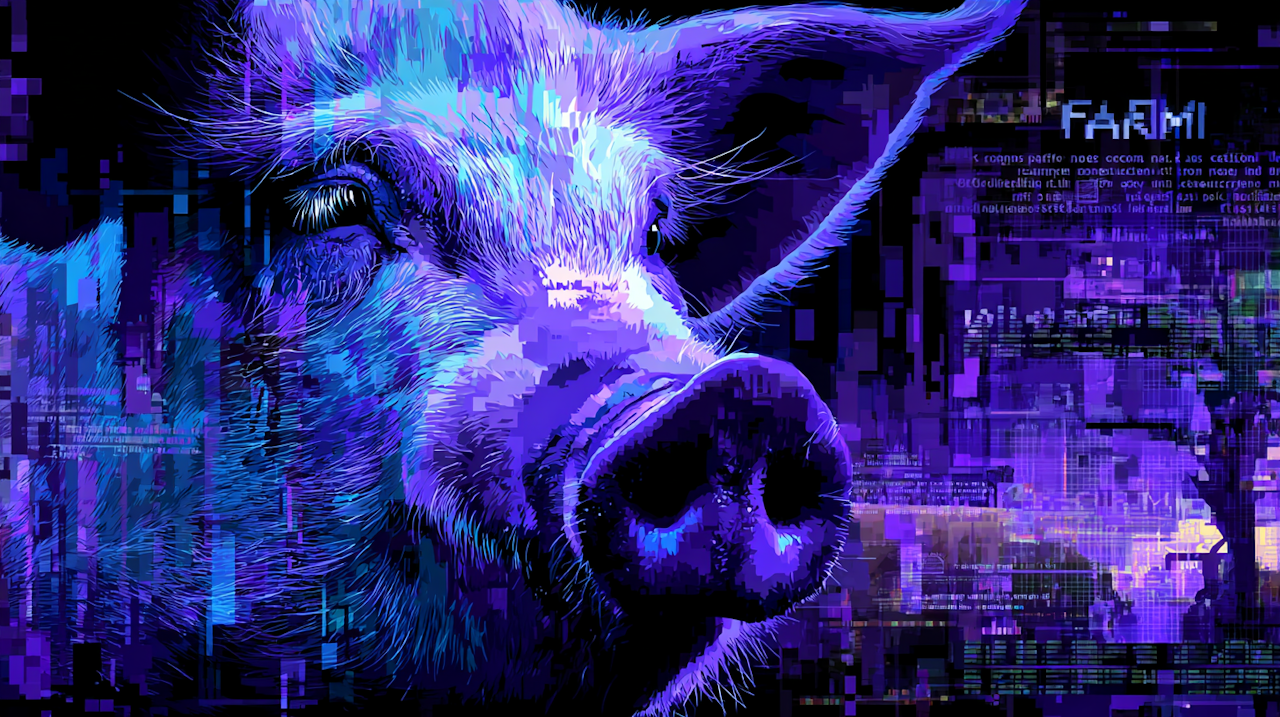

A shadow moves over an old farmyard in a digital realm where classic literature meets modern technology.
George Orwell’s novella, Animal Farm, has been reinterpreted through an AI‐driven adaptation as part of an educational initiative in Australia that explores the impact of online influence.
The project, outlined in an ABC news report, transforms Orwell’s narrative into an interactive computer game titled “Win The Farm.” This initiative bridges the gap between traditional literature and digital culture by presenting an interactive experience that examines how information can be used to influence opinions. The game addresses contemporary issues such as online manipulation, misinformation, and bots.
The adaptation seeks to make abstract concepts like propaganda and political subterfuge more tangible. In Orwell’s narrative, a modest farm represents a microcosm of totalitarian control. The digital version updates this allegory to reflect challenges posed by online networks, where misinformation and algorithmic manipulation are prevalent. The game simulates a series of challenges that mirror the dynamics of Orwell’s characters and events.
Australian educators have incorporated this AI-driven approach into their teaching programmes. In settings where traditional methods may not resonate with digital-native students, the interactive game serves as a medium through which students explore themes related to data privacy and misinformation. Students and educators quoted by ABC describe the approach as a way to keep complex ideas relatable and practical.
The project is the result of collaboration among technologists, educators, and literary scholars. The design team has integrated research on contemporary online trends and algorithmic behaviours to create simulations intended to be both realistic and educationally valuable. The AI component uses bot configuration and influence testing, reflecting the complexities of modern digital ecosystems.
“Win The Farm” illustrates an evolving approach to literature and learning. It incorporates digital fluency with traditional literacy by examining how information is processed and manipulated in online environments. The project also exemplifies the trend of integrating AI into creative and educational fields. Through its interactive narrative, the adaptation preserves the moral complexities of Orwell’s work while providing insights into modern digital processes.
Orwell’s themes continue to be relevant as his exploration of power and truth is reinterpreted for the digital age. The AI-powered game offers an environment in which players can engage with themes of influence and control that adjust according to their decisions, providing an example of how classic literature may be experienced in a modern context.