
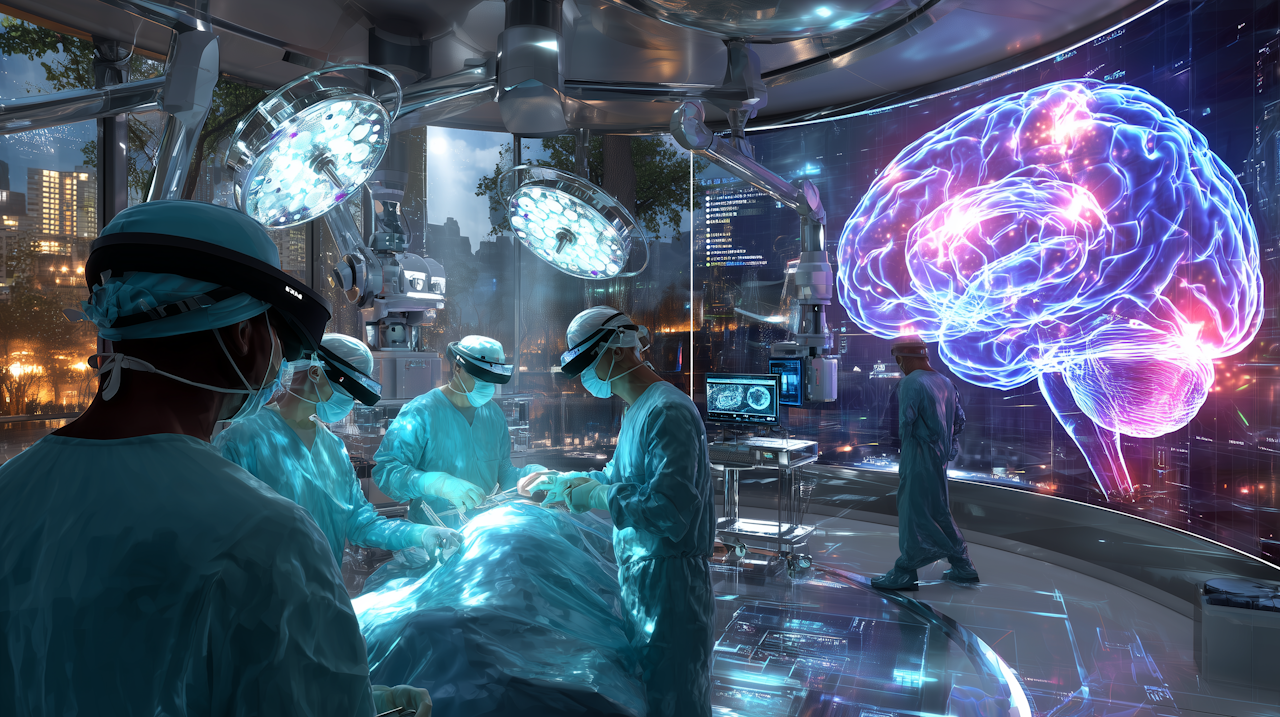

It’s an era where the digital pulse orchestrates unprecedented medical revolutions, and a dazzling breakthrough in artificial intelligence is rewriting the story of epilepsy treatment for Australians. A recent report reveals that AI-driven surgical cures are now being achieved in record time (national report), ushering in a new era of hope and efficiency.
Epilepsy has long presented significant challenges to the healthcare sector, often burdened with slow diagnostic processes and limited access to innovative treatments. The integration of cutting-edge AI in analysing complex neuroimaging and patient data has not only reduced treatment timelines but also provided fresh optimism for both patients and practitioners.
Latest Trends and Technological Breakthroughs
The latest advancements in artificial intelligence are rapidly accelerating the discovery of surgical cures for epilepsy, with some cases achieving outcomes in as little as two years. This dramatic reduction in cure times is powered by AI’s ability to sift through massive datasets, enhancing the precision of neuroimaging analysis (detailed study).
Furthermore, the expansive integration of patient databases is redefining the way surgical precision is achieved. By incorporating real-time insights from diverse clinical cases, AI systems are expediting the treatment process while ensuring that each patient receives a tailored approach to their care. This technological convergence heralds a new era in innovative epilepsy care, making these medical advancements both cost-effective and widely accessible.
Key Players in the Field
At the heart of this revolution are the dedicated researchers and clinical teams from prominent tertiary epilepsy centres whose relentless work is pushing the boundaries of neurology and computer science. Their pioneering efforts in utilising artificial intelligence have enabled breakthroughs once considered decades away, bolstered by support from leading research institutions and government funding.
Collaboration is key, as demonstrated by partnerships like those emerging from initiatives such as the Australian Epilepsy Project (in-depth discussion). These interdisciplinary alliances underscore the importance of melding expertise across diverse fields to redefine treatment paradigms in epilepsy care.
Noteworthy News and Data Points
Real-world case studies underscore the tangible benefits of AI in patient care, with numerous success stories highlighting significant improvements in both the accuracy and speed of treatment. For many Australians with epilepsy, the promise of AI-facilitated surgical cures offers not only hope but also a viable path towards a better quality of life.
Comparative data indicate that these AI-driven interventions are dramatically reducing treatment times and proving to be more cost-effective than traditional methods. Such transformations are indicative of a broader shift in treatment paradigms, suggesting that the future of neuroimaging and AI-assisted diagnostics holds even greater promise for both patients and healthcare professionals.
Patients at the Centre
The once insurmountable challenge of epilepsy is now being met by the precision of artificial intelligence, marking a pivotal turning point in healthcare history. The transformative achievements discussed here not only validate the integration of AI in medical practice but also pave the way for further explorations in personalised neurology.
Looking ahead, the potential expansion of AI applications in neurology and customised medicine promises to reshape treatment landscapes even further. As researchers continue to unlock the vast potential of machine learning, both patients and medical professionals are encouraged to engage with these ongoing advancements as we move towards a more innovative and patient-centred future in epilepsy care.